Surgeon-led · Histology · Nationwide

Skin Cancer Specialist: examined and removed in one visit.

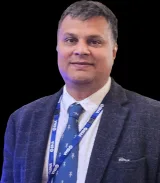
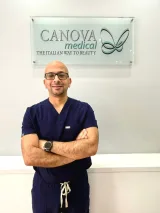
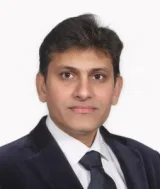
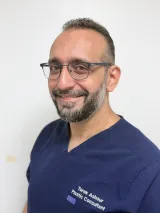
A new mole, a changing spot or a sore that won't heal deserves a specialist opinion quickly. Our skin cancer specialist surgeons assess lesions under dermoscopy to identify and where needed, remove potentially cancerous lesions across our CQC-regulated clinics.

Same-day
See and Treat
Histology
Confirms complete removal
30–45 min
Typical procedure time
Planned
Personalised to your requirements
Why not to wait

With skin cancer, early is everything.

Most skin cancers are treatable and the great majority are cured by complete surgical removal when caught early. The earlier a lesion is assessed, the simpler the treatment and the better the outcome.

Because our clinics are surgeon-staffed with procedure rooms on site, diagnosis and treatment sit on one pathway you're seen quickly, assessed properly, and where appropriate treated in one visit.

Step 01

Specialist assessment

Your skin cancer specialist examines the lesion under bright light and dermoscopy, records its size, features, and for any atypical features.

Step 02

Diagnosis & biopsy

Where there's any doubt, a biopsy confirms the diagnosis. Suspected skin cancers can sometimes be removed by excision biopsy with a narrow margin.

Step 03

Surgical removal

The cancer is excised with an appropriate margin of healthy skin under local anaesthetic and the wound closed or reconstructed.

Step 04

Histology & follow-up

Your specimen is analysed in an accredited lab to confirm complete removal and your results and any follow-up are explained to you personally.

The main type

Know what you're looking at.

Most skin cancers are treatable when found early. Here's how it tends to look and how it's treated.

Type / 01 · Most common

Basal cell carcinoma (BCC)

~75% of non-melanoma skin cancers · ~ 120,000/yr UK

The most common skin cancer. BCCs grow slowly but if left they can grow into and damage nearby tissue which is why removal is advised. Most often appear on the face and other sun-exposed areas.

How it can look: a pearly or pink raised bump, sometimes with tiny surface blood vessels; or a sore that bleeds, crusts and won't heal. The superficial type appears as a red, scaly patch.

Clinically informed by British Association of Dermatologists (BAD) guidance on BCC (2021), SCC (2020) and melanoma management.
When to get checked

The ABCDE for skin cancer.

A simple way to assess a mole. If any of these apply or a mole simply looks different from your others you should have it checked. You don't need a GP referral to see us.

A

Asymmetry

One half doesn't match the other.

B

Border

Edges are irregular, ragged or blurred.

C

Colour

Two or more colours, or uneven shading.

D

Diameter

Larger than 6mm (about a pencil eraser).

E

Evolving

Changing in size, shape, colour or new.

A sore or spot that won't heal

Anything that bleeds, crusts, or hasn't healed within a few weeks should be assessed.

A new lump or a growing patch

A firm or scaly lump, or a red scaly patch that's spreading, is worth a specialist look.

A mole that itches, bleeds or has changed

Itching or bleeding from a mole, or any of the ABCDE features, warrants prompt review.

Risk factors

Who is most at risk.

Skin cancer can affect anyone, but some factors raise the risk. If several apply to you, regular skin checks are sensible.

Sun & UV
Cumulative sun exposure & sunburn
Childhood sunburn and a history of intense, intermittent exposure (e.g. holidays, sunbeds) raise risk.
Skin type
Fair skin that burns easily
Fitzpatrick types I–II have the highest risk; the lowest is in darker skin types.
Immune status
A weakened immune system
Immunosuppression including after an organ transplant can markedly increases risk, especially of SCC.
Moles & history
Many moles or a previous skin cancer
Having many moles (over 100), a previous skin cancer, or a family history of melanoma all increase risk.
Diagnosis & treatment

How we diagnose and remove skin cancer.

From the first examination to your histology results, your care is led by the surgeon performing your procedure and who specialises in skin cancer.

Examination & dermoscopy. Your specialist assesses the lesion under bright light and magnification (dermoscopy), records its size, shape, borders and colour and examines any atypical features. Photography and monitoring help track changes over time.

Biopsy to confirm. Where the diagnosis isn't certain, a biopsy is taken to confirm it before definitive treatment. Suspected skin cancer can be removed by excision biopsy with a narrow margin so the full depth can be measured accurately.

Surgical excision with margins. Skin cancer is removed with a margin of normal-looking skin around it to reduce the chance of any being left behind and the margin depends on the type and risk of the cancer. Everything removed is sent for histology.

Reconstruction by plastic surgeons

Larger gaps are closed with a local flap (moving nearby skin) or a skin graft, planned for the most discreet possible result.

Follow-up and referral where needed

For skin cancers, your team will discuss whether further follow-up is appropriate, or clear referrals and reports sent directly to your GP to fast track your care.

Fees

A £195 consultation that never goes to waste.

Your consultation is with the specialist who would perform your procedure. Treatment fees vary with the size, site and complexity of the lesion and are always confirmed in writing before anything is done.

Option 1

Assessed & treated the same day

Your consultant recommends removal, you're happy to proceed, and a suitable lesion is removed in the same visit.

Consultation £195Waived
You pay the procedure fee only.
Option 2

Treated another day

You'd prefer to return on a different day and your consultation fee follows you.

Consultation £195 → Deducted
£195 comes off your procedure fee.
Option 3

Check or second opinion

A specialist assessment of a mole or lesion with no obligation. You leave with a clear diagnosis and a plan.

Consultation £195
No pressure, no upselling.
Full body skin checkSee price+
£295Single mole or lesion check £195

A head-to-toe dermoscopic examination of your skin and moles by a specialist is recommended if you have many moles, a previous skin cancer or a family history of melanoma.

Fixed quotation at consultation. The price you're quoted is the price you pay and confirmed in writing before any treatment, with no hidden extras. Surgery and reconstruction fees depend on the lesion and are explained on the day.

Ready when you are

Worried about a mole or a changing spot? See a specialist today.

Common questions

Skin cancer, answered.

What does skin cancer look like?+

Common warning signs include a new or changing mole, a spot or sore that bleeds, crusts and won't heal, a pearly or pink raised bump, or a red scaly patch. For moles, use the ABCDE rule: Asymmetry, irregular Border, two or more Colours, Diameter over 6mm, and Evolving (changing). Anything new, changing or non-healing should be checked.

What's the difference between BCC, SCC and melanoma?+

Basal cell carcinoma (BCC) is the most common; it grows slowly and very rarely spreads, but can damage local tissue if left. Squamous cell carcinoma (SCC) is the second most common; it can grow faster and has some potential to spread. Melanoma is less common but more serious because it can spread early which is why catching it early matters most.

How quickly can I be seen?+

Consultations are typically available same-day across our London, Wilmslow and Liverpool clinics without the NHS wait, and with no GP referral required. Where a lesion is suitable for removal under local anaesthetic, it can often be treated in the same visit.

Will the lesion be sent for testing (histology)?+

Yes. Every excised lesion with any diagnostic uncertainty is sent for histological analysis at an accredited laboratory. Histology confirms the diagnosis and whether the cancer has been completely removed and your results are explained to you personally.

What are excision margins and Mohs surgery?+

When a skin cancer is removed, a small margin of normal-looking skin is taken around it to reduce the chance of any cancer being left behind. Mohs micrographic surgery is a specialised technique for high-risk or facial cancers, where tissue is checked under the microscope during the procedure so the smallest possible amount of healthy skin is removed.

Will I need a skin graft or flap?+

Most small skin cancers are closed with fine stitches. For larger areas, or on the face, your surgeon may reconstruct the gap with a local flap (moving nearby skin) or a skin graft. Because our surgeons are plastic-surgery trained, reconstruction is planned for the most discreet result possible.

Is skin cancer curable?+

Most skin cancers are highly treatable, and the great majority are cured by complete surgical removal especially when caught early. Early diagnosis is the single most important factor, particularly for melanoma, which is why prompt assessment of any new or changing lesion matters so much.

How much does it cost?+

A consultation is £195 with the specialist who would perform your procedure and is waived if you proceed on the day, or deducted from your procedure fee if you return later. Surgery fees vary with the size, site and complexity of the lesion and are confirmed in writing before any treatment.

Book a skin cancer check

Worried about a mole or a changing spot? Don't wait to find out.

Specialist assessments are typically available on the same day across our London, Wilmslow and Liverpool clinics. Book online or call with no GP referral needed.

No obligation · we'll call you back to confirm · or call 01625 810636 (Mon–Fri, 9am–6pm)

Regulated & accredited

GMC registered
CQC regulated
NHS Approved Supplier
See a Specialist
Call Book